Breaking and Remixing Letterforms and Layouts
An Homage to the Transparency of Typography
by Laura Meseguer & Serena Gramaglia
—
1. The Spirit of the Workshop
Typography is a vehicle for communication. When we challenge its conventions—when we break, distort, and reconstruct it—we enter a realm where typography is no longer just about legibility, but becomes a medium for expression, experimentation, and visual storytelling.
This workshop, held at ISIA Urbino in 2025, is titled “Breaking and Remixing Letterforms and Layouts”, and is both a tribute and a challenge to the traditional function of typography. Designed and led by Laura Meseguer and Serena Gramaglia, it proposes an intensive, 28-hour deep dive into the transformative processes of deconstruction and reconstruction through the lens of graphic design history and artistic influences.
The foundation of the workshop lies in this question: How can we create something entirely new from existing typographic and layout conventions? Through this exploration, participants are invited to develop their own voices as designers by translating the spirit of various historical art movements into contemporary typographic works.
—
2. Objectives and Methodology
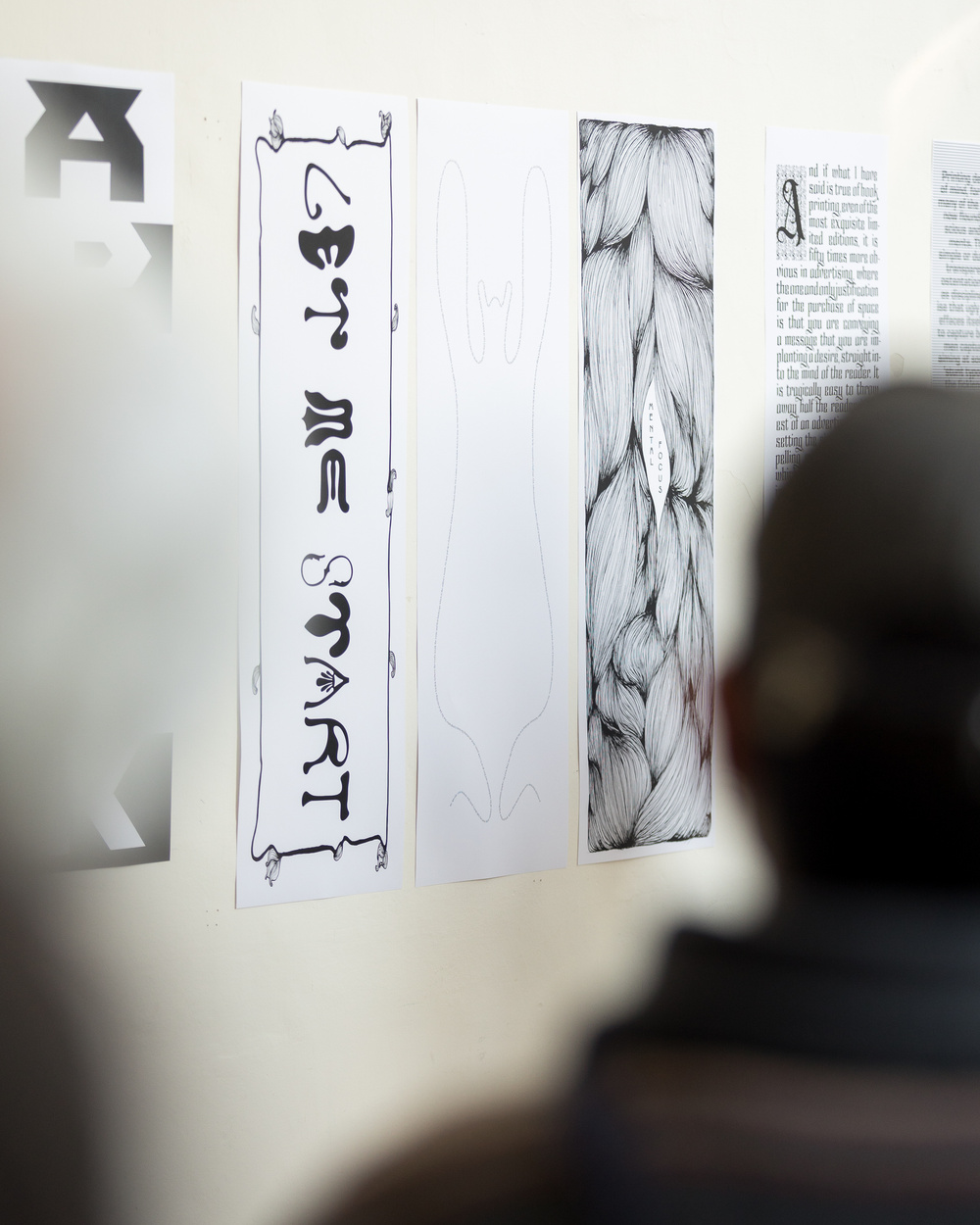
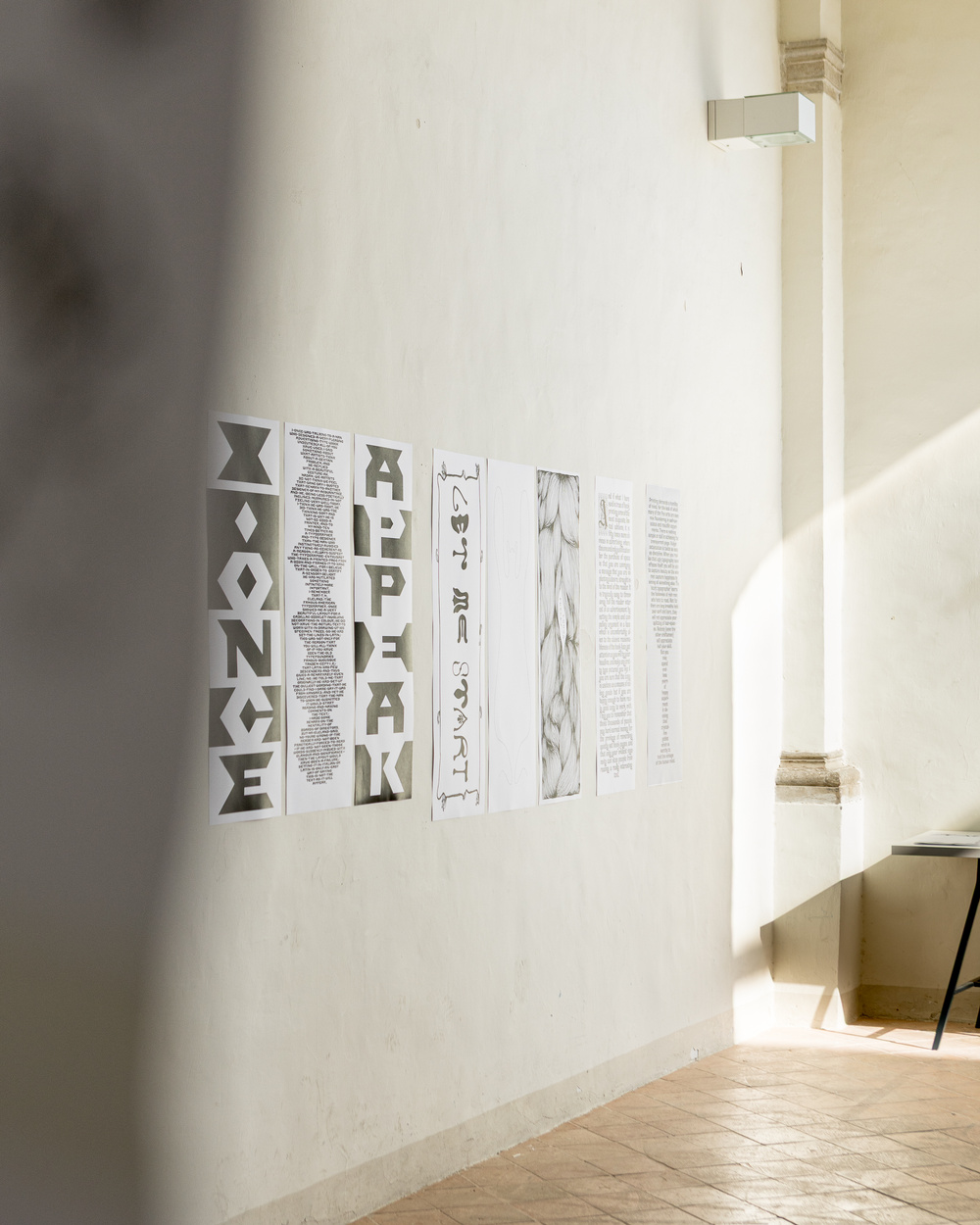
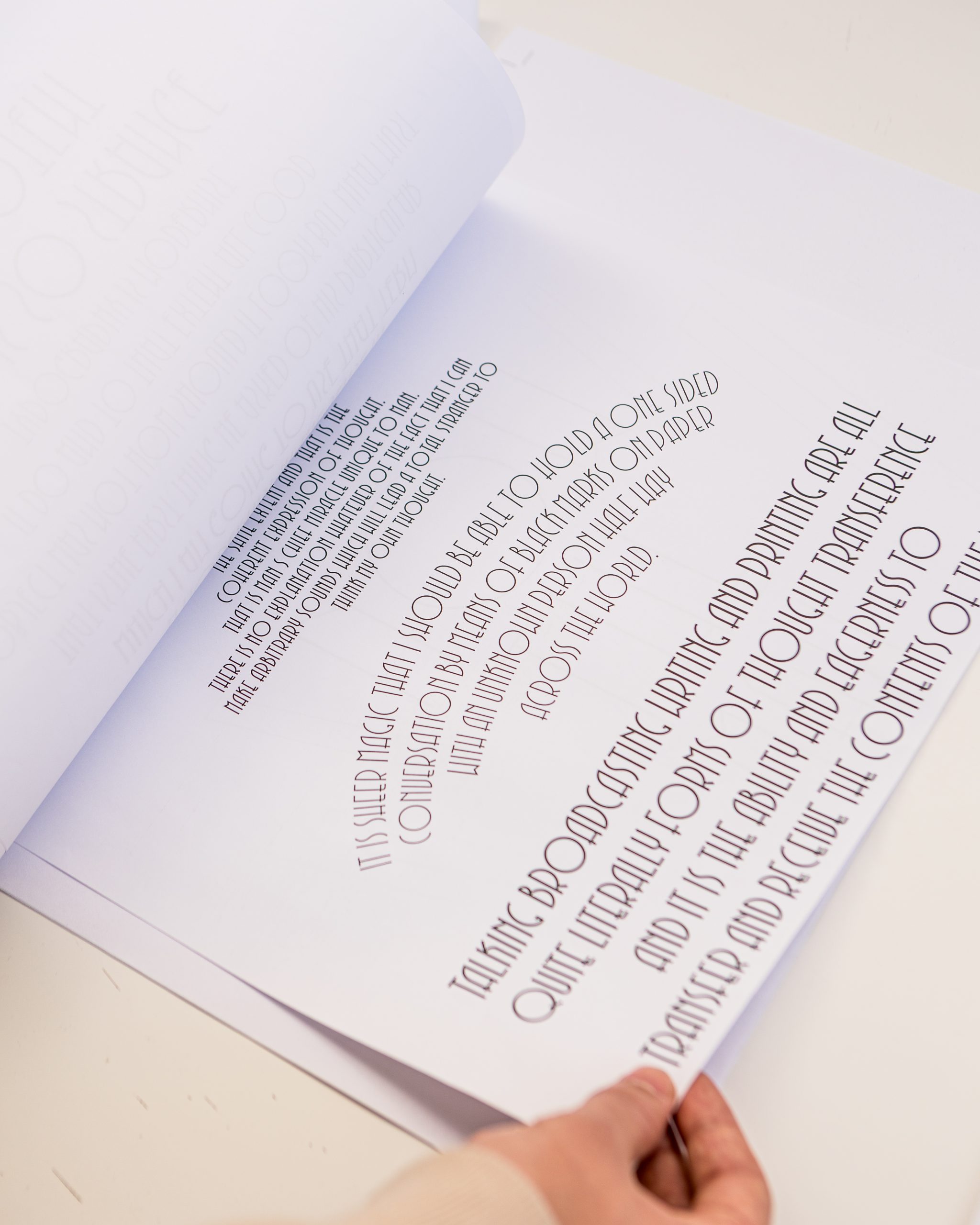
At its core, the workshop is an exercise in visual reinterpretation. Each pair of students is assigned a paragraph from The Crystal Goblet by Beatrice Warde—a classic text on typographic clarity—and one historical artistic style. The aim is to deconstruct both the textual and visual content and then reconstruct it through an experimental approach using type, composition, and layout.
Rather than creating from scratch, participants are guided to look backwards—to visual styles such as Victorian Art, Medieval Art, Russian Constructivism, Cubism, African Art, Art Deco, Art Nouveau and Punk. These movements serve as the framework through which typographic exploration is made.
By creating from these powerful visual sources, students are not merely copying styles—they are decoding and reinterpreting them. What results is a hybrid: a contemporary visual object rooted in history but driven by experimentation.
—
3. Structure and Timeline
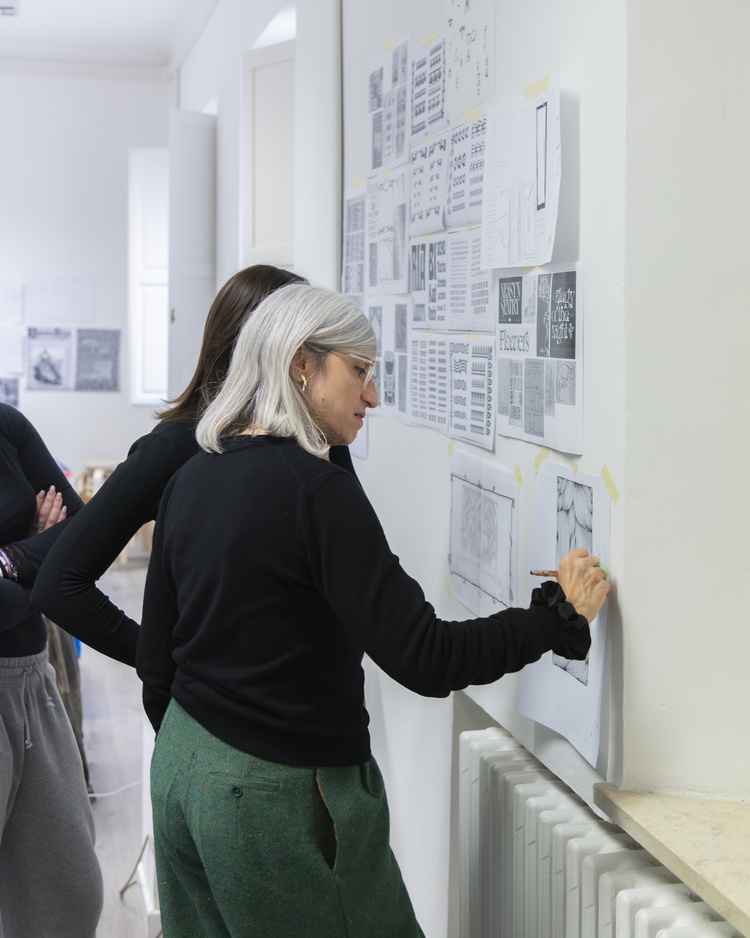
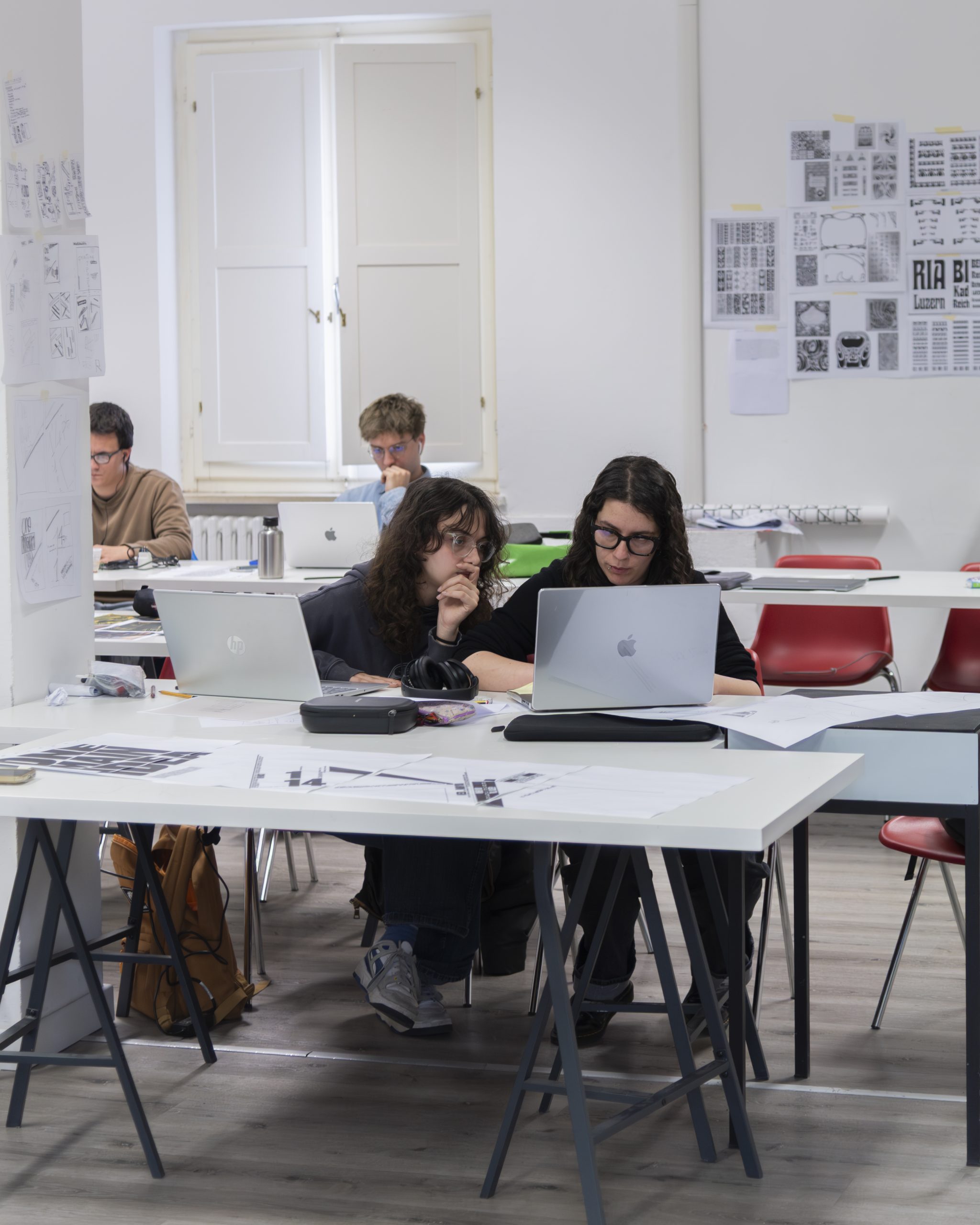
The workshop unfolds over four intensive days. Each day represents a different phase in the conceptual and production process.
→ Day 1: Deconstruction
→ Day 2: Reconstruction
→ Day 3: Layout
→ Day 4: Exhibition and Celebration
This structure reinforces a balance between theoretical depth and hands-on creation, mirroring the creative cycles of professional design practices.
—
4. Theoretical Groundwork: Deconstruction and Reconstruction
Deconstruction in this context doesn’t refer merely to destruction, but to analytical dissection. Participants learn how to isolate the elements of a design—typography, color palette, composition, tone—and evaluate their function. This phase is meant to create visual literacy, helping participants read and understand visual languages across history.
Reconstruction is the creative synthesis of these insights into a new typographic piece. It is not a reproduction of a style, but a translation of its essence into the language of type and layout. Participants develop highly personalized visual responses, each grounded in historical context but realized through their contemporary interpretation, with analogical and digital tools.
—
5. The Artistic Movements as Pedagogical Tools
Each selected art movement acts as a design constraint and a source of visual richness. They are not treated as aesthetic trends, but as systems of meaning-making. Here’s a brief look at how they are integrated into the workshop:
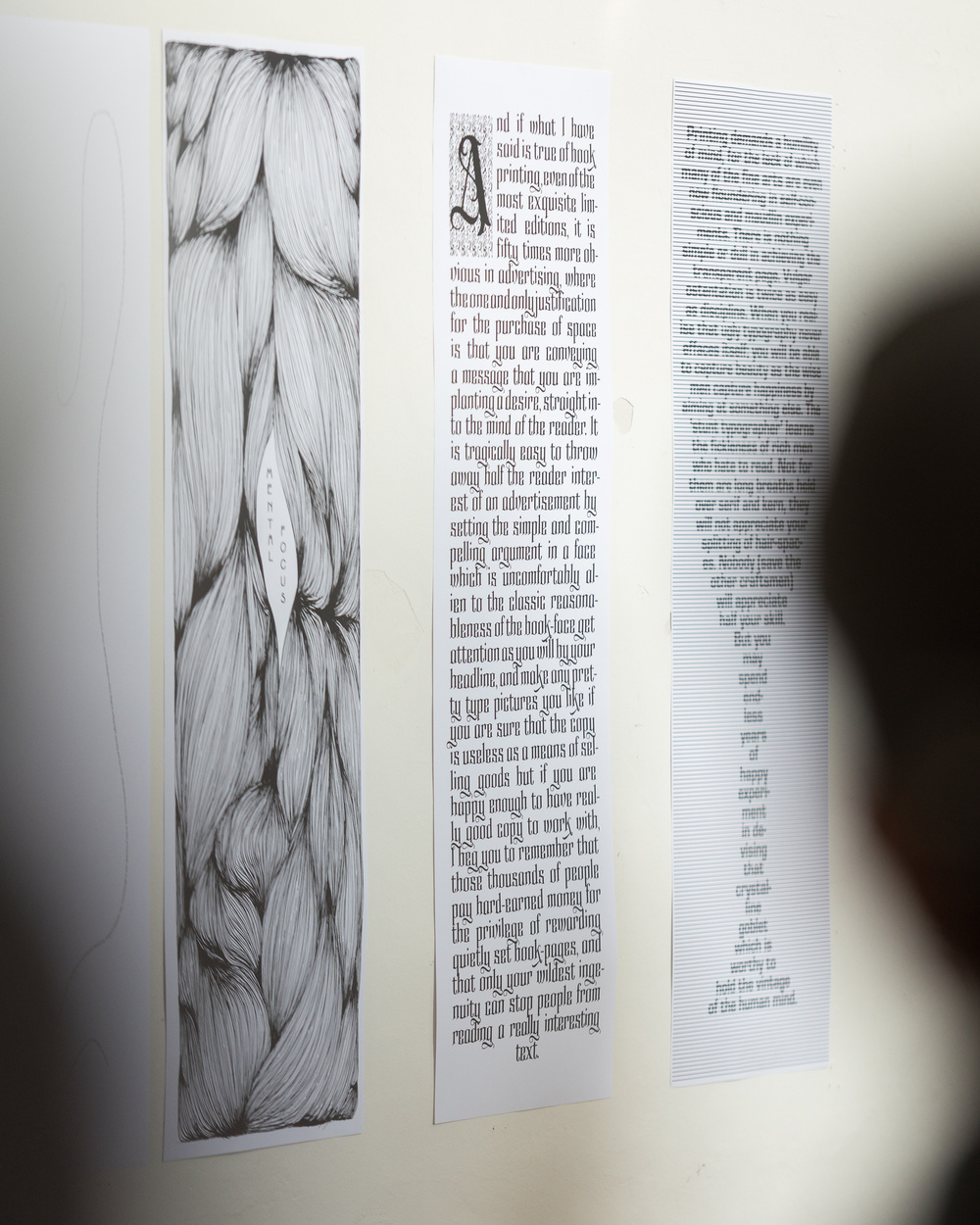
Medieval Art: Illuminated manuscripts and symbolic compositions, with strong hierarchy and structure.
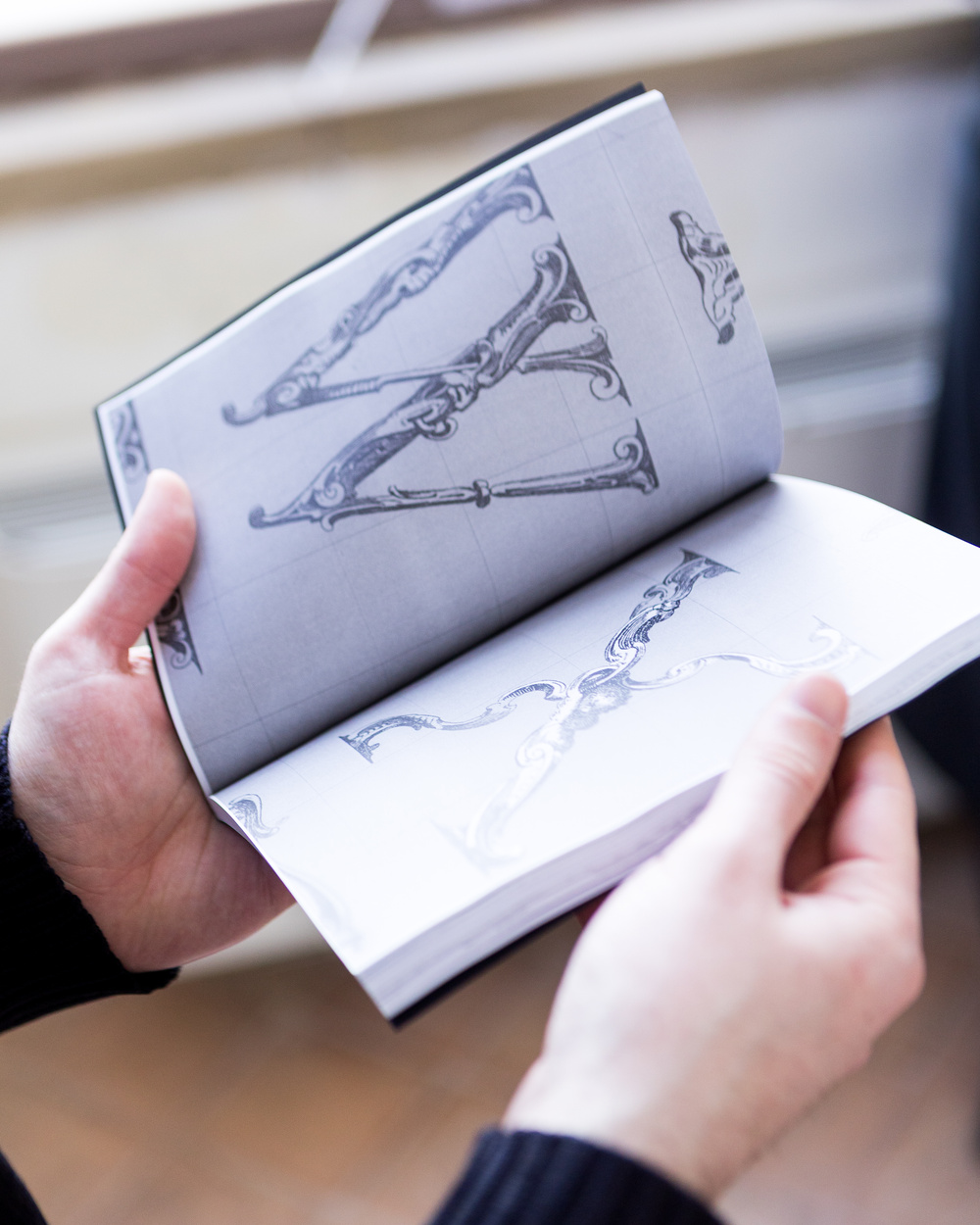
Victorian Art: Dense ornamental typography and symmetrical frames inspire layering and complexity.
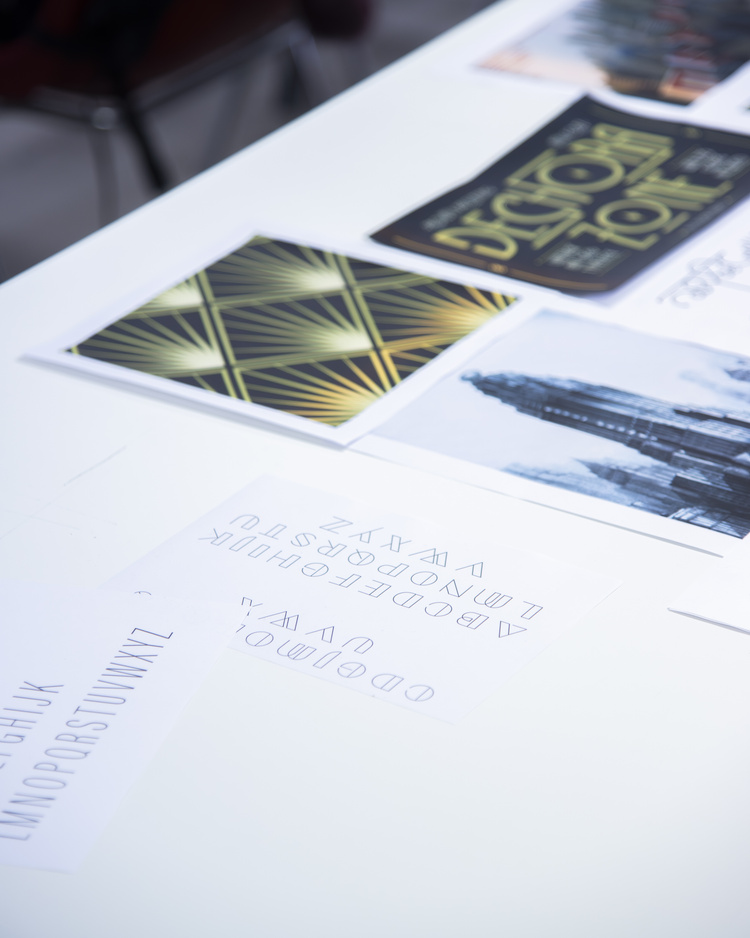
Art Deco: Geometric elegance that lead to structured sofisticatead compositions.
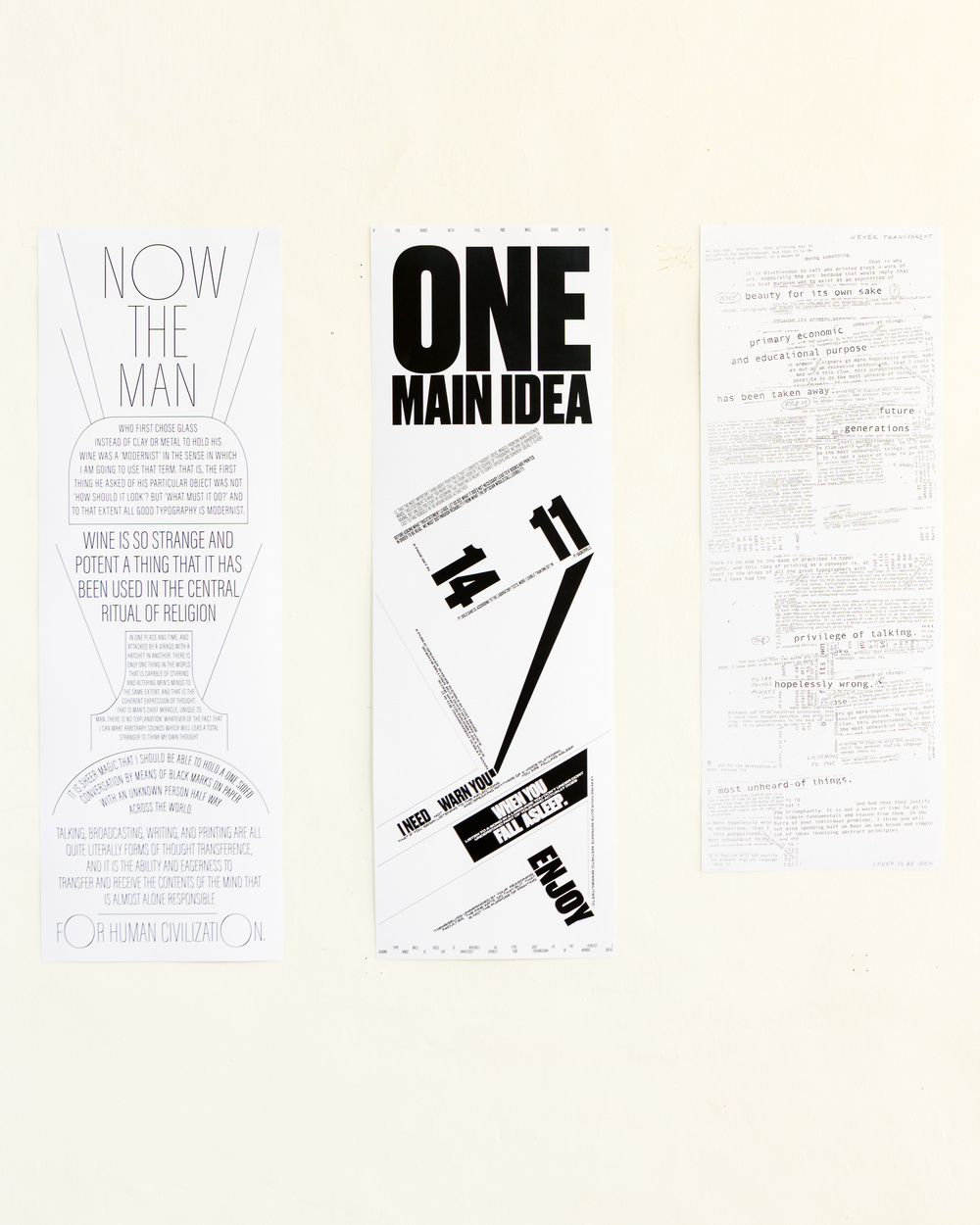
Russian Constructivism: Diagonal grids, collage, energy into design.
Cubism/African Art: Fragmentation, geometry and multiplicity.
Art Nouveau / Psychedelic Art: Organic forms, fluid typography, asymmetries encourage abstraction.
Punk: DIY, textures, anarchic layouts, expressive freedom.
Through these inputs students can learn about multiple design registers—from elegance to rebellion, from clarity to chaos—each encouraging a unique voice and method of visual thinking.
—
6. Outputs: Exhibition and Publication
Two actions emerge from the workshop, and both are part of the same reconstruction process where the original text is not only redesigned, but reframed in context.
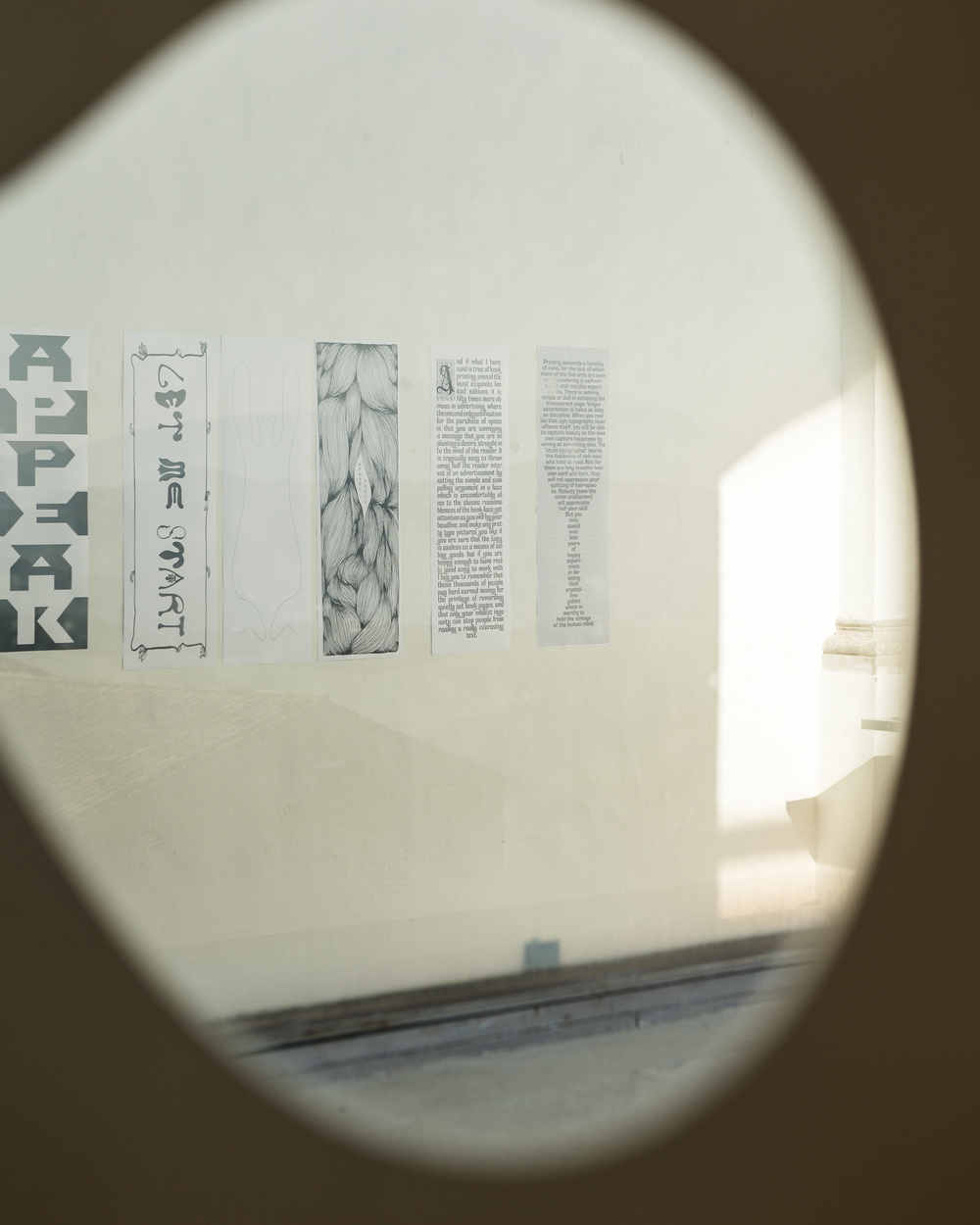
The Exhibition: A spatial recomposition of *The Crystal Goblet*, collectively installed by the students. The exhibition space becomes a walkable text, allowing viewers to experience the transformation of content and style across time and personal perspective.
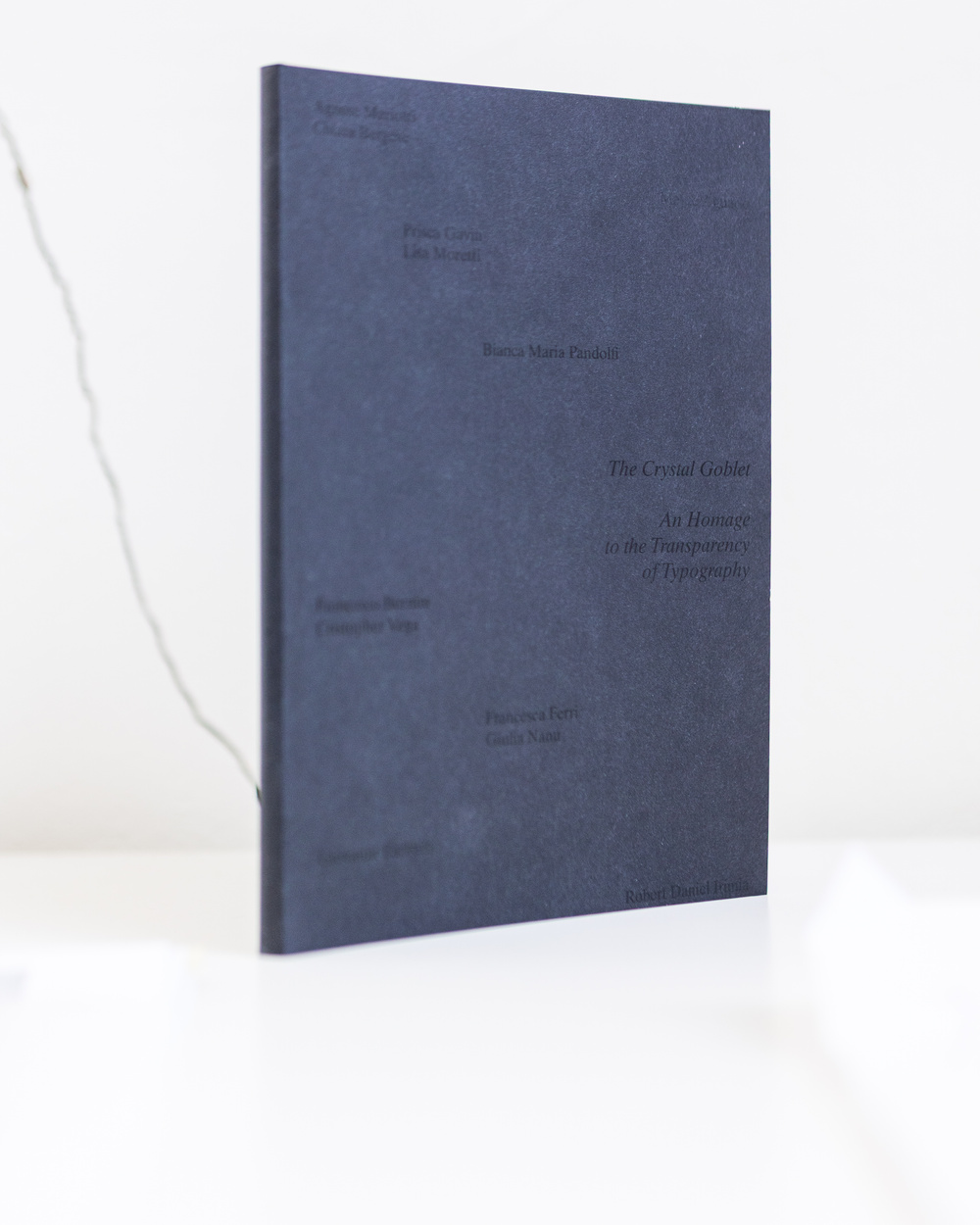
The Booklet: A collective publication documents the final works and includes parts of process—moodboards, sketches, and conceptual notes. This becomes a physical archive of the workshop and a outcome that students and institutions alike can reference in the future.
—
7. Why This Matters
This workshop emphasizes critical thinking through making. It shows that typography is not neutral; it is a mirror of culture, a reflection of technology, and a canvas for expression.
By embedding history and theory into practical work, the students discover new skills and perspectives. They learn how to see, question, and remake—relevant competencies for graphic design discipline.
This workshop is about translating and remixing—about finding personal and collective meaning through the shared language of typography and design.
ISIA U TRAINING DAYS 2025
Dates: 17.03—20.03.2025
Curated by Silvia Sfligiotti
Students: Agnese Mariotti, Chiara Bergese, Maytè Aguado, Prisca Gavin, Lisa Moretti, Bianca Pandolfi, Francesco Bernini, Cristopher Vega, Giulia Nanu, Francesca Ferri, Giovanni Barbaro, Robert Irimia (Thanks to all of them ♡)
WIP pictures: Nico Palmisano
Exhibition pictures: Davide Corda